

Baldwin Hills occupies a unique place in Los Angeles geography and history. The area traces back to Rancho La Cienega o Paso de la Tijera and later to landholdings associated with Elias “Lucky” Baldwin, whose name became attached to the neighborhood. It is also part of a wider corridor that has long been central to Black Los Angeles history and identity.
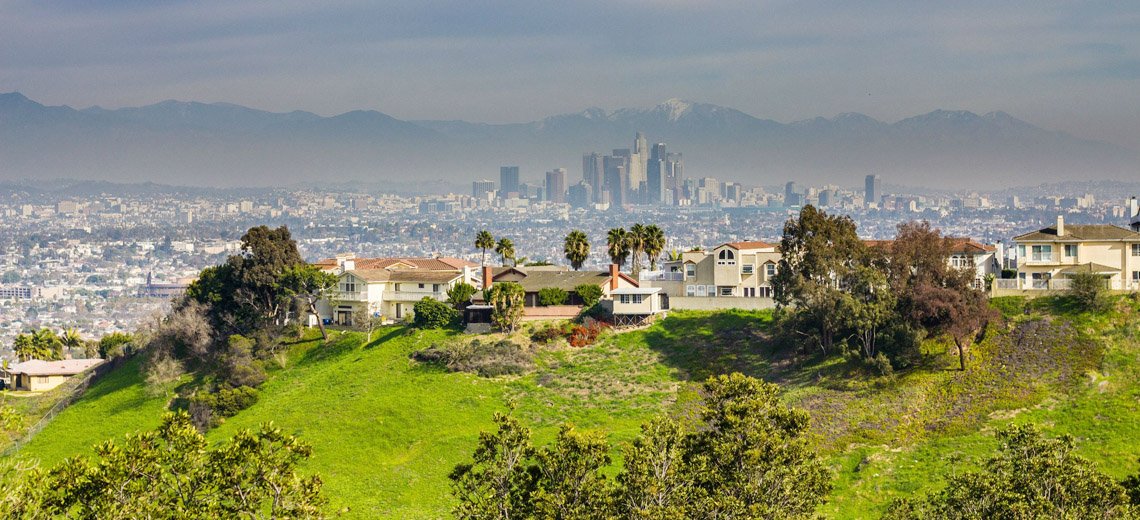
One of Baldwin Hills’ biggest advantages is that it offers something many buyers want but struggle to find in Los Angeles: elevation and open space. The Baldwin Hills Scenic Overlook provides panoramic views across the basin, while the broader Baldwin Hills parkland system was created to expand recreation, habitat restoration, and public access to nature in a heavily urbanized part of the county. That combination gives the neighborhood a visual and lifestyle advantage that feels very different from flatter, more conventional residential areas.
Baldwin Hills also benefits from the contrast between scenery and convenience. It feels grounded in Los Angeles history, but it is still well positioned for access to Culver City, Downtown, the Westside, and major transportation routes. For buyers, that often translates into a rare balance: a neighborhood with room to breathe, recognizable cultural significance, and a stronger sense of place than many centrally located alternatives. That is an inference supported by its parkland, topography, and historical role in the city.