

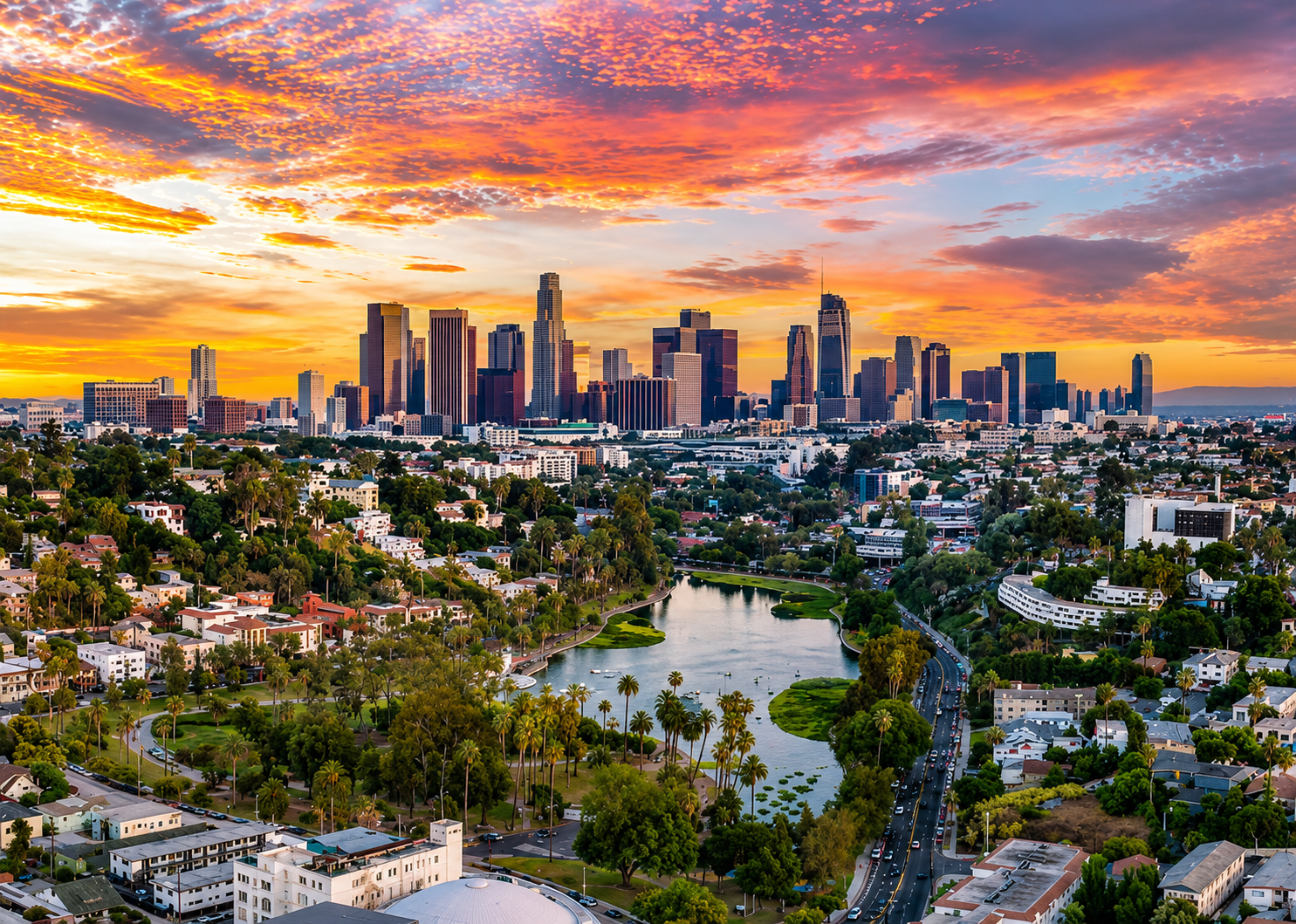
Pasadena is one of Southern California's premier foothill cities, established in the late 1800s as a resort community before evolving into an architectural hub defined by the Arts and Crafts movement. Developed across distinct growth waves from Victorian subdivisions through mid-century modern hillside buildouts, the city holds a rich inventory of character housing—from Craftsman bungalows in Bungalow Heaven to Spanish Colonial Revival estates in Oak Knoll and mid-century modern properties in Linda Vista. Supported by an active municipal preservation framework, much of this housing stock remains carefully maintained across designated historic districts.
What makes Pasadena stand out today is its balance of cultural depth and residential variety within a single municipal boundary. Neighborhoods span from porch-forward streets in Bungalow Heaven and Madison Heights to secluded hillside estates overlooking the Arroyo Seco and walkable residential corridors surrounding Old Pasadena and Playhouse Village. For buyers, that creates a rare market dynamic: legitimate architectural pedigree, mature tree canopy, and urban amenities without Westside price tags.
Pasadena also appeals to buyers who want sophisticated suburban living with direct, efficient connectivity to Downtown Los Angeles and the broader valleys. Its position along the 210, 134, and 110 freeways—bordered by Glendale, Altadena, La Cañada Flintridge, and South Pasadena—makes it practical for regional commutes, complemented by the Metro A Line. However, its primary draw is a distinct, self-contained civic identity anchored by institutions like Caltech, the Rose Bowl, and the Norton Simon Museum. This identity stems from Pasadena's century-old cultural infrastructure, preserved historic districts, and long-standing role as the San Gabriel Valley's primary civic center.